Western Skeleton Desert Tumbler Wrap Review
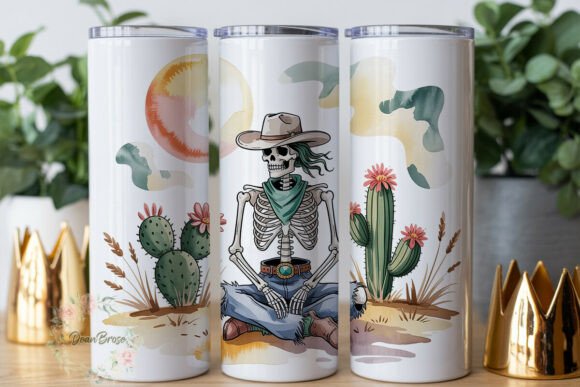
When I first opened the folder for the Western Skeleton Desert Tumbler Wrap, I didn't just see a graphic; I saw a mood. As someone who has spent years evaluating embroidery files for both personal hobbies and commercial boutique lines, my first instinct is always to ask: "Where does this actually live?" This design doesn't scream for attention in a chaotic way; instead, it whispers with a rugged, southwestern charm that feels perfectly at home in a desert landscape or a rustic cabin. The visual personality here is distinct, blending macabre elements with warm, earthy tones that suggest a story waiting to be stitched.
The layout of the Western Skeleton Desert Tumbler Wrap immediately suggests versatility. It isn't just a simple border; it has a narrative flow that wraps around an object naturally. For a designer looking to create a cohesive brand identity, this file offers a unique opportunity to stand out from the sea of generic floral or geometric patterns often found in tumbler graphics. The skeleton motif, when executed correctly in thread, can add a touch of edgy sophistication without being overly spooky, making it suitable for year-round use rather than just Halloween season.
Real-World Application: From Digital File to Finished Product
Let's imagine a real scenario. I am preparing for a holiday craft fair where I plan to sell personalized gifts. My goal is to create a line of custom tumblers and aprons that feature a specific theme: "Desert Nights." I pull up the Western Skeleton Desert Tumbler Wrap on my screen and immediately visualize how it would look stitched onto a matte black 30oz tumbler. The contrast potential is high, but the texture of the fabric matters immensely.
In this project, the design serves as the centerpiece. Unlike a small logo placed on a pocket, this wrap is meant to cover the majority of the surface area. I tested the concept by creating a digital mockup using the provided PNG files. The dimensions, listed as 9.3″ x 8.2″, fit standard straight tumblers perfectly, while the tapered version aligns beautifully with the contour of insulated cups. However, seeing it on a screen is different from seeing the stitch density in real life. If I were to embroider this on a sweatshirt, the design might feel too large for a chest placement but perfect for a back panel. On a tote bag, the wrap could act as a striking focal point, turning a basic canvas item into a statement piece for a boutique shop.
The decision to use this embroidery file for a baby item requires careful consideration. While the western theme is adorable, the skeleton element might be too intense for some parents. However, for a "spooky cute" nursery decor line or a themed birthday gift, it could be a hit. The key is in the execution. The Western Skeleton Desert Tumbler Wrap needs to be balanced with softer surrounding elements if used on delicate fabrics like cotton onesies. On a sturdy apron or a kitchen towel, however, the design shines. It adds a layer of character that elevates a functional item into a collectible.
Technical Performance and Stitch Clarity
From a technical standpoint, the success of any machine embroidery design relies heavily on how well the stitches translate across different materials. The Western Skeleton Desert Tumbler Wrap appears to have a mix of stitch types, likely utilizing satin stitch for outlines and fill stitches for the body of the skeleton. When reviewing the file, I pay close attention to the stitch density. Too much density can cause puckering on thin fabrics, while too little can leave gaps that ruin the silhouette.
If you are planning to use this for commercial embroidery projects, such as selling finished products on Etsy or at local markets, you must test the design on scrap fabric first. This is non-negotiable. You need to check how the thread colors interact with your specific fabric texture. A dark fabric background will make the lighter threads pop, but a light fabric might require a backing stabilizer to prevent the design from sinking into the weave. The high resolution of 300 DPI ensures that the details are crisp in the digital preview, but the physical result depends entirely on your machine settings and hoop stability.
I also had to consider the challenge of curved surfaces. Tumblers are cylindrical, which presents a unique set of difficulties compared to flat apparel like t-shirts or caps. The embroidery design must account for the tension required to wrap around the curve without distorting the image. If the design includes intricate corners or tiny lettering, those areas are prone to breaking down during the stitching process. For a tumbler wrap, the continuous nature of the pattern helps mitigate some of these issues, as the eye follows the flow rather than focusing on isolated points. However, on a cap, the curvature is more extreme, and the same design might stretch or compress depending on the hat's shape.
Strategic Placement and Fabric Considerations
Not every surface is a good match for the Western Skeleton Desert Tumbler Wrap. There are specific scenarios where this design should be approached with caution. Thin, stretchy fabrics like jersey knits are generally poor candidates for dense fill designs. The tension of the embroidery can cause the fabric to pucker severely, ruining the professional look of the final product. Similarly, textured fabrics like heavy fleece or bouclé can hide the fine details of the skeleton, making the design look muddy and indistinct.
For personalized gifts, the choice of fabric is crucial for customer satisfaction. A customer buying a custom embroidered patch or a decorative pillow cover expects a clean, sharp finish. If the design is applied to a dark fabric without proper underlay or thread selection, the details may get lost. In these cases, testing a black-and-white mockup is a smart move to verify contrast before committing to expensive thread spools. Additionally, items that require frequent washing, such as kitchen towels or aprons, need to be evaluated for durability. Dense stitch areas can sometimes trap lint or wear down faster if not stabilized correctly.
When considering design assets for a small business, the Western Skeleton Desert Tumbler Wrap offers a strong branding opportunity. It creates a recognizable aesthetic that can be applied across various products, from tote bags to sweatshirts. However, consistency is key. If you mix this edgy design with overly sweet or traditional patterns, the brand message becomes confusing. It works best when paired with complementary western themes, such as cactus motifs, sunsets, or cowboy fonts.
Practical Designer Notes for Success
Before you start stitching, there are several critical steps to ensure your embroidery project runs smoothly. First, confirm the licensing terms. Since this is a digital product, you need to know if you are allowed to sell the finished items or if the license restricts commercial use. Many designers overlook this, leading to legal headaches later. Next, inspect the small details in the file. Zoom in on the skeleton's features to ensure no stray stitches or loose ends exist that could snag during production.
Use a proper stabilizer for the fabric type you are working with. For tumblers, a cut-away stabilizer is often recommended to provide long-term support and prevent distortion over time. Check the thread color contrast against your fabric background; a low-contrast combination might look dull once stitched. Finally, compare the design on both light and dark backgrounds to see how it performs in different lighting conditions. This preparation phase is what separates a hobbyist's attempt from a professional-grade finished product.
The Western Skeleton Desert Tumbler Wrap is a compelling asset for any creator looking to add a touch of southwestern flair to their work. Whether you are a seasoned Etsy seller expanding your catalog or a crafter making a one-of-a-kind gift, this design provides a solid foundation. By paying attention to fabric choice, stabilization, and testing, you can transform this digital file into a stunning handmade product that customers will love. Remember, the magic lies not just in the design itself, but in how carefully you bring it to life.