Sloth in Floatie Tropical 20oz Tumbler Review
I have spent years reviewing digital assets for embroidery projects, and I know that the difference between a good design and a great finished product often comes down to how well the file translates from a screen to fabric. When I first saw Sloth in Floatie Tropical 20oz Tumbler, my immediate reaction was one of curiosity. It is not just another cute graphic; it carries a specific mood that feels right for summer, relaxation, and those casual handmade gifts we all love to give. As an experienced designer, I decided to put this embroidery file through its paces to see if it truly holds up in real-world scenarios.
The First Impression: Mood and Visual Personality
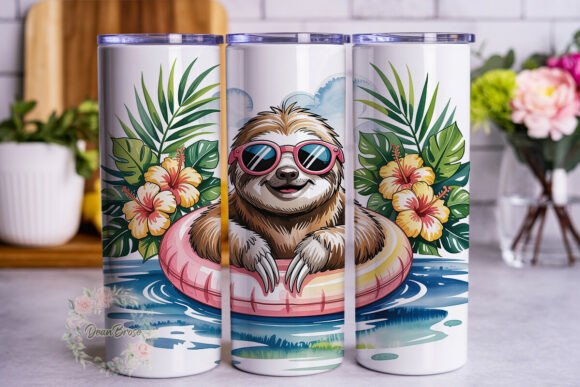
The moment you look at Sloth in Floatie Tropical 20oz Tumbler, the tropical theme jumps out. The sloth floating in a bright floatie suggests a laid-back vibe that resonates with anyone who enjoys beach days or lazy afternoons. For an embroidery designer, the layout is clean, which is crucial because cluttered designs often lose their charm when stitched. The visual personality here is playful yet approachable, making it perfect for creating a handmade product that feels personal rather than mass-produced.
Unlike some overly complex designs that require hours of digitizing adjustments, this piece seems designed to be versatile. It creates a cheerful atmosphere that works beautifully for personalized gift items. Whether you are thinking about a baby shower present or a boutique stocking stuffer, the imagery speaks a universal language of fun and comfort. The high-resolution nature of the source files ensures that the details remain sharp, which is the foundation of any successful embroidery project.
Real-World Application: From Screen to Stitch
To truly understand the value of this design, I imagined using it in a practical scenario. Let's say I am preparing a custom order for a local craft fair. I want to create a line of embroidered tote bags featuring summer themes. Sloth in Floatie Tropical 20oz Tumbler fits perfectly here. The dimensions provided (9.3″ x 8.2″) suggest a substantial presence on a canvas tote, allowing the design to breathe without getting lost against the fabric texture.
However, the application doesn't stop there. This design could easily transition into sweatshirt embroidery for a cozy fall collection, perhaps paired with a different background color to contrast the tropical elements. Imagine stitching this onto a light-colored hoodie for a holiday gift; the bright colors would pop against the neutral fabric, creating a unique finished product that customers will cherish. For Etsy sellers looking to expand their inventory, this asset offers a fresh take on seasonal decor.
The versatility extends to commercial embroidery projects as well. A small shop owner could use this for branded merchandise, like aprons for a coffee shop or pillow covers for a home goods boutique. The key is how the design interacts with the material. On a sturdy cotton canvas, the stitches would hold their shape well. On a softer jersey knit, the density of the fill stitch might need adjustment to prevent puckering, but the core image remains strong enough to carry the weight of the garment.
Navigating Challenges: Where Caution is Key
While the design is promising, no single file is a magic bullet for every situation. There are specific contexts where Sloth in Floatie Tropical 20oz Tumbler requires careful consideration. If you are working with a small hoop size, the 9.3″ x 8.2″ dimension might be too large for intricate detail work on smaller items like caps or hats. In these cases, scaling down can sometimes blur the finer lines of the floatie or the sloth's features, leading to a less professional look.
Fabric texture plays a significant role too. On highly textured fabrics like terry cloth or heavy denim, the satin stitch definition might get lost in the weave. Similarly, thin or stretchy fabrics can be problematic if the stabilizer isn't chosen correctly. Without proper support, the dense areas of the design could pull the fabric, distorting the final appearance. Dark fabrics also present a challenge; while the design likely includes thread colors that contrast well, you must ensure the underlay is sufficient to cover the dark base completely.
Additionally, if you are planning to wash the item frequently, such as a kitchen towel or a child's clothing, the durability of the stitches becomes paramount. Designs with tiny lettering or very fine details can snag or fray over time. While this design appears robust, always test the stitch density on scrap fabric before committing to a customer order. Checking the design in black and white mockups can also help you visualize how the contrast will hold up on different backgrounds.
Impact on Brand and Customer Trust
In the world of craft business and small shop products, the quality of your design directly impacts customer trust. A crisp, well-executed embroidered patch or tote bag design signals professionalism. When a buyer sees Sloth in Floatie Tropical 20oz Tumbler rendered perfectly on a product, they perceive value in the item. It elevates the perceived worth of the digital product and the physical goods created from it.
This design has the potential to enhance brand consistency. If your shop focuses on whimsical, nature-inspired, or relaxed themes, this asset aligns perfectly with that identity. It helps in creating a cohesive look across your design assets, whether you are selling printable mockups or actual finished items. Customers are more likely to return to a brand that delivers consistent quality and aesthetic appeal.
Practical Designer Notes for Success
Before you start stitching, there are a few critical steps to ensure success. First, always test the design on scrap fabric that matches your intended project material. This allows you to check thread color contrast and inspect small details for any potential issues. Review the stitch density carefully; if the design is too dense, it may cause puckering, especially on lighter fabrics.
Confirm your hoop size limitations early on. Ensure the design fits within your machine's capabilities without requiring excessive resizing. Use a proper stabilizer to support the fabric during the stitching process, particularly for curved surfaces or delicate materials. If you are unsure about the licensing terms for commercial use, verify them before selling finished items or distributing the digital files.
Finally, consider the end-use of the product. Is it a holiday gift that needs to be durable? Or a baby embroidery item that requires softness? Adjust your thread choices and stitch types accordingly. By taking these precautions, you can maximize the potential of Sloth in Floatie Tropical 20oz Tumbler and deliver a high-quality result that satisfies both you and your customers.
In conclusion, this design offers a delightful blend of charm and utility. It is a solid addition to any library of machine embroidery design files, provided you respect the technical nuances of embroidery. With thoughtful execution, it can become a standout feature in your next creative venture.