Bee Keeper Honey Tumbler Wrap Review
When I first opened the file for the Bee Keeper Honey Tumbler Wrap, my initial reaction wasn't just about the cute bee imagery, but about the specific utility it offers in a crowded market of digital assets. As someone who has spent years evaluating embroidery files for both personal hobbies and commercial boutique lines, I look for designs that bridge the gap between "cute" and "wearable." This design immediately strikes me as a strong contender for the modern crafter or Etsy seller looking to expand their inventory with seasonal or everyday items.
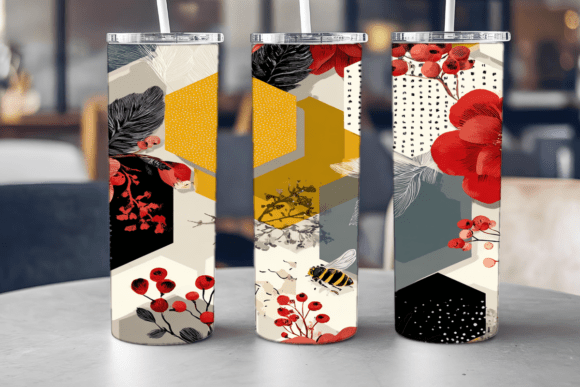
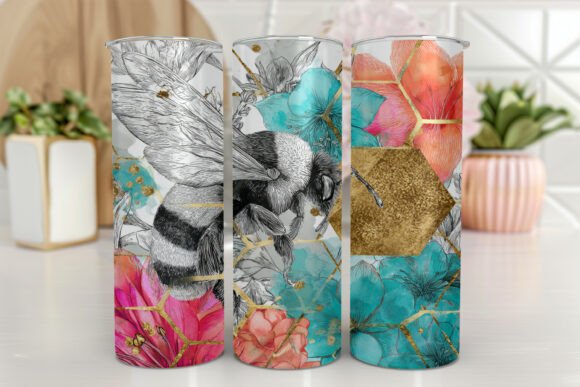
The visual personality of the Bee Keeper Honey Tumbler Wrap is warm, inviting, and distinctly rustic-chic. It doesn't scream for attention with neon colors or overly complex gradients; instead, it relies on clean lines and a thematic focus that resonates well with current trends in home decor and personalized gifts. The layout feels balanced, suggesting that when stitched onto a surface, it will create a cohesive focal point rather than a cluttered mess. For a designer, this balance is crucial because it dictates how the finished product will be perceived by a customer walking into a craft fair or browsing an online shop.
Real-World Application: From Screen to Stitch
To truly understand the value of this Bee Keeper Honey Tumbler Wrap, we have to move past the static image and imagine it in motion during the stitching process. I recently considered using this design for a custom project involving a set of matching kitchen towels intended as wedding gifts for a couple who loves gardening and baking. The theme of bees and honey fits perfectly with that aesthetic, offering a subtle nod to nature without being overwhelming.
In this scenario, the design's performance becomes the deciding factor. When I simulated the placement on a white cotton tea towel, the contrast looked excellent. However, the real test lies in how the stitches interact with the fabric texture. A design like this works beautifully on medium-weight fabrics where the stabilizer can provide enough support to prevent puckering. If you are planning to use this for custom apparel like a sweatshirt or a tote bag, the design likely needs to be scaled appropriately to ensure the details remain crisp. For smaller items like a cap or a baby onesie, the density of the satin stitch areas must be carefully monitored to avoid stiffness that could make the garment uncomfortable.
I also envision this design thriving in the realm of tumbler wraps. While the product description mentions sublimation, many creators buy these files to digitize them for embroidery machines to create permanent, high-quality tumbler sleeves. The shape of the wrap is specifically sized for 20oz skinny tumblers, which means the curvature of the design aligns naturally with the cylinder. This reduces the risk of distortion that often plagues rectangular designs wrapped around curved surfaces. The result is a professional-looking finished product that feels bespoke rather than mass-produced.
Where to Exercise Caution
While the Bee Keeper Honey Tumbler Wrap is versatile, no single design is a magic bullet for every situation. There are specific contexts where this file might struggle if not handled with care. One major consideration is the hoop size. If you attempt to stitch this on a very small hoop, such as those used for intricate monograms on baby clothes, you may find that the corners of the wrap get cut off or the tension becomes uneven. Always verify your hoop size against the dimensions of the design before starting.
Fabric choice is another critical variable. Textured fabrics, like heavy bouclé or loose-weave linen, can sometimes swallow up the finer details of a machine embroidery design. Similarly, stretchy fabrics require a robust stabilizer system to maintain the integrity of the fill stitch areas. Without proper backing, the design might pucker or distort after the first wash. Additionally, if you plan to use this on dark fabrics, the thread color contrast will be paramount. You might need to adjust your thread colors or add a underlay layer to ensure the design pops against the background.
Detailed corners and tiny lettering are always potential trouble spots in any embroidery project. If the Bee Keeper Honey Tumbler Wrap includes small text elements, they may not render clearly on thin fabrics or when stitched at a reduced scale. It is wise to inspect these areas closely in your digitizing software or run a test stitch on scrap fabric to see how the running stitch and satin stitch transitions behave. For products that need frequent washing, such as aprons or work shirts, the durability of the stitch density should be tested to ensure the design doesn't degrade over time.
Impact on Brand and Customer Perception
In the world of Etsy sellers and small business owners, the quality of your embroidery directly influences customer trust and brand consistency. A well-executed Bee Keeper Honey Tumbler Wrap elevates the perceived value of your item. When a customer receives a personalized gift that features clean, precise stitching, they are more likely to view it as a premium product worthy of a higher price point. Conversely, sloppy stitching or poor design choices can undermine even the most thoughtful concept.
This design also offers significant flexibility for marketing. Its charming theme makes it highly "giftable," perfect for holiday promotions, bridal showers, or teacher appreciation gifts. The visual appeal of the bee motif creates an immediate emotional connection, making it easier to engage buyers through social media mockups or printable previews. When creating digital product previews, the clear lines of the design translate well into images, allowing you to showcase the final look effectively.
However, designers must remain realistic about the limitations. If you are selling commercial embroidery services, you need to manage client expectations regarding what is possible on different materials. A design that looks stunning on a smooth tumbler sleeve might look slightly different on a textured pillow cover. Transparency here builds long-term relationships with clients who appreciate your expertise.
Practical Notes for the Embroidery Designer
Before committing to a large production run or adding this to your shop's catalog, there are several technical steps you should take. First and foremost, test the design on scrap fabric. This allows you to check the stitch density and ensure the threads don't break or cause the fabric to pucker. Review the stabilizer requirements; some designs need tear-away, while others perform better with cut-away backing depending on the fabric type.
Inspect the small details in your digitizing software. Are the corners sharp? Is the spacing between elements consistent? Sometimes, a design that looks good at full resolution can lose definition when scaled down. It is also helpful to test the design in black and white mockups to see how the contrast holds up without the distraction of color. Compare how the Bee Keeper Honey Tumbler Wrap performs on both light and dark backgrounds to determine the best thread palette.
Finally, confirm the licensing terms. Ensure you have the right to sell finished items made from this file if you intend to use it for craft business purposes. Check whether the file includes multiple formats compatible with your machine, and verify if there are any restrictions on commercial use. By taking these precautions, you protect your investment and ensure that your embroidery project results in a high-quality asset that stands out in a competitive market.
Ultimately, the Bee Keeper Honey Tumbler Wrap represents a solid addition to any designer's library. It combines a popular theme with a functional layout, making it suitable for a wide range of projects from holiday embroidery to everyday personalized gifts. With careful execution and attention to detail, it can help you create memorable handmade products that customers will love.