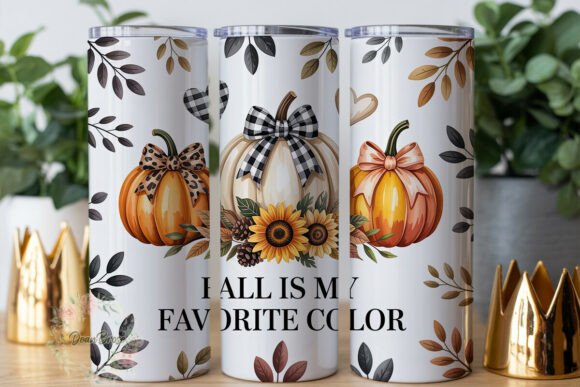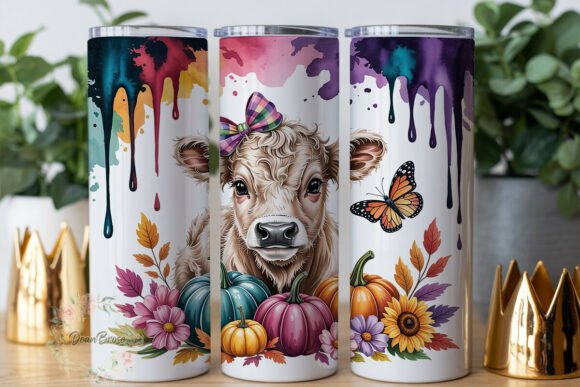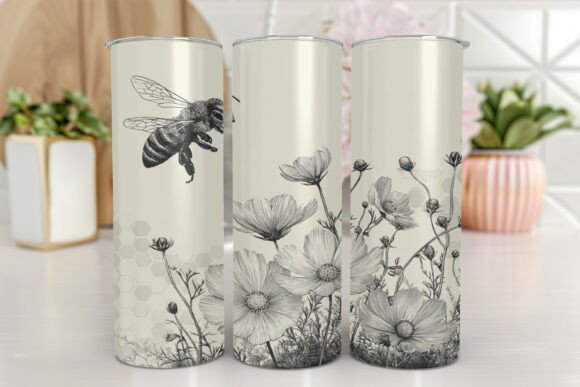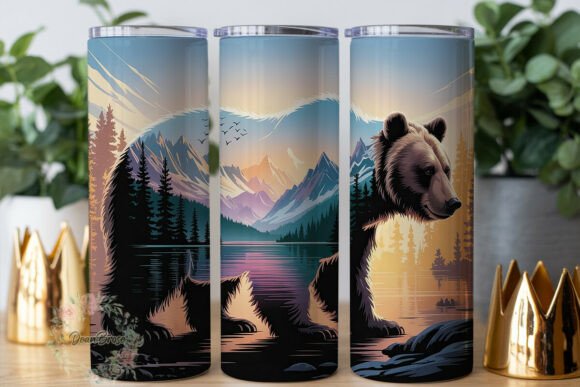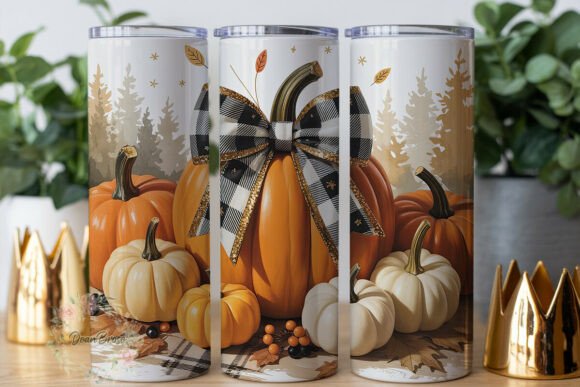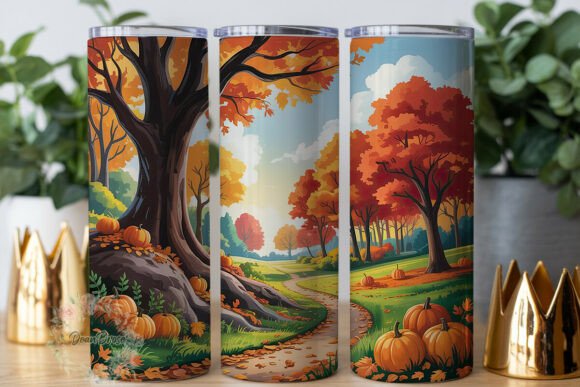
Autumn Forest Pumpkins 20oz Tumbler Wrap
As a designer who has spent years refining the art of machine embroidery, I often find myself sifting through digital assets looking for that perfect balance between aesthetic charm and technical viability. When I first encountered the Autumn Forest Pumpkins 20oz Tumbler Wrap, my initial reaction was one of genuine interest. It captures the essence of the fall season without feeling cluttered or overly generic. The design exudes a cozy, rustic mood that feels perfectly at home in a boutique setting or as a thoughtful personalized gift. However, moving from a visual appreciation to practical application requires a deeper look at how this piece translates into a finished product.
The concept of a tumbler wrap is specific, but the principles behind it apply broadly to any curved surface embroidery project. This design promises high resolution and clean lines, which are critical when working with detailed graphics like forest scenes and pumpkins. For those of us running small businesses or selling on platforms like Etsy, the difference between a design that looks great on a screen and one that stitches beautifully is often the deciding factor in customer satisfaction. Let's break down how this asset performs in real-world scenarios.
First Impressions: Mood and Visual Personality
The moment you visualize the Autumn Forest Pumpkins 20oz Tumbler Wrap, you are transported to a crisp autumn afternoon. The layout suggests a cohesive scene rather than just scattered elements. There is a natural flow to the composition that guides the eye around the curve of the object. This is crucial because tumblers are cylindrical; a design that doesn't account for curvature can look distorted or disjointed once stitched.
The theme is undeniably seasonal, making it an ideal candidate for holiday embroidery projects. Whether it is intended for a custom sweatshirt, a tote bag, or a kitchen towel, the design carries a warmth that resonates with buyers during the fall months. The detail level appears substantial enough to hold attention but not so dense that it risks becoming muddy on smaller fabric surfaces. It strikes a balance that many commercial designs struggle to achieve, offering enough character to stand out while remaining versatile enough for various handmade products.
Real-World Application: From Screen to Stitch
Imagine preparing a batch of custom embroidered tote bags for a local craft fair. You have selected the Autumn Forest Pumpkins 20oz Tumbler Wrap as the centerpiece motif. On the computer screen, the PNG file looks crisp, with clear definitions between the leaves, the pumpkins, and the forest background. But does it translate well to fabric?
In a scenario involving heavy canvas for a tote bag, the design would likely perform excellently. The stabilizer needed for such a thick fabric would provide ample support, allowing the satin stitch and fill stitch areas to lay flat and vibrant. The color contrast provided by the design elements would pop against dark or neutral backgrounds, enhancing the visual appeal of the finished product. Customers browsing a booth full of fall-themed goods would be drawn to the professionalism of the stitching, associating the quality of the work with the value of the brand.
Similarly, consider using this graphic for a baby item, such as a onesie or a soft blanket. The rounded shapes of the pumpkins and the organic feel of the forest elements create a gentle, whimsical vibe suitable for nursery decor. When applied to a baby garment, the design must be handled with care regarding stitch density. If the design is too dense, it could make the fabric stiff, which is uncomfortable for a baby. However, if the underlying structure allows for proper spacing, the result would be a cherished personalized gift that parents would love to display.
Navigating Challenges: Where Caution is Key
While the potential is high, there are specific situations where this design requires careful consideration. One of the primary challenges lies in the hoop size. If you attempt to stitch this on a very small hoop, the details might get lost, or the corners of the design could become distorted. It is essential to confirm the exact dimensions required before committing to a project.
Textured fabrics also pose a risk. Embroidery relies on the needle penetrating the material cleanly. On a rough, boucle knit or a heavily textured linen, the fine details of the forest scene might not register clearly. Similarly, stretchy fabrics like jersey require a different approach. Without adequate stabilizer, the tension of the thread could cause the fabric to pucker, ruining the integrity of the Autumn Forest Pumpkins 20oz Tumbler Wrap layout.
Dense stitch areas are another point of scrutiny. If the design features large blocks of fill stitch, they can become difficult to manage on thin fabrics or delicate items like aprons. In these cases, the weight of the thread might overwhelm the material. Additionally, if you are planning to use this on a cap or hat, the curved surface adds complexity. A design meant for a flat tumbler wrap might need significant digitizing adjustments to conform correctly to the brim or crown of a hat. Always test on scrap fabric first to ensure the thread colors maintain their contrast and the design holds its shape after washing.
Impact on Product Value and Brand Trust
For the modern creative entrepreneur, every element of a product contributes to the overall brand perception. A well-executed embroidery project signals attention to detail and quality. When customers receive a handmade item featuring a design like the Autumn Forest Pumpkins 20oz Tumbler Wrap, they are buying more than just a physical object; they are buying into the story and the craftsmanship behind it.
If the stitching is clean, the colors are vibrant, and the placement is precise, it builds trust. Conversely, a design that puckers or loses definition can damage a seller's reputation. The professional presentation of a finished product often dictates whether a buyer will return or recommend the shop to others. Using high-quality design assets ensures that your embroidery project meets the expectations of discerning buyers who appreciate the nuances of handmade goods.
Practical Designer Notes for Success
Before integrating this asset into your commercial workflow, there are several technical steps to take. First, always review the stitch density. High-resolution files are great, but if the digitization is off, the final result will suffer. Check the thread colors against your chosen fabric to ensure sufficient contrast. A light pumpkin on a light background will vanish, regardless of the design's artistic merit.
Confirming the hoop size is non-negotiable. Ensure your machine setup matches the dimensions of the design to avoid clipping important details. Use the proper stabilizer for the fabric type; this is the backbone of a successful embroidery job. If you are unsure about the licensing terms, especially for commercial use, verify them explicitly. Do not assume that a digital download includes rights for mass production unless stated clearly.
Finally, test the design in black and white mockups. This helps you see the structural integrity of the image without the distraction of color. Compare how it looks on both light and dark fabric backgrounds to gauge its versatility. By taking these precautions, you ensure that the Autumn Forest Pumpkins 20oz Tumbler Wrap delivers the professional results you aim for in your craft business.
Ultimately, this design offers a strong foundation for creating beautiful, seasonal merchandise. With the right preparation and execution, it can elevate your offerings from simple crafts to premium, marketable products. Whether you are an Etsy seller looking to expand your inventory or a hobbyist wanting to create a special gift, understanding the nuances of the design is the key to success.